Campus safety starts with connected information
Knowing who is on campus, on which bus and in which hostel room underpins student safety. Why connected records help staff respond with confidence.
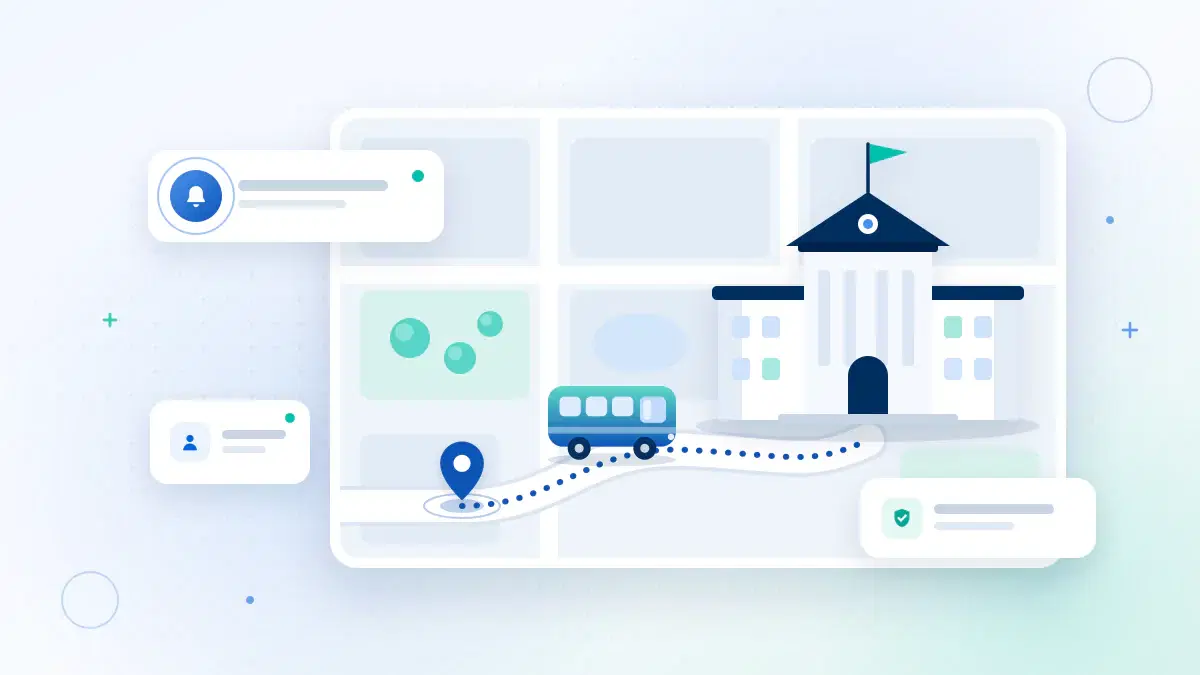
Conversations about campus safety often focus on physical measures: gates, guards, cameras and drills. These matter. But in many situations, the first thing staff need is information. Is this student on campus today? Which bus are they assigned to? Who is their guardian, and what is the right number to call? Which hostel room are they in?
When the answers are spread across a transport register, a hostel spreadsheet, the class attendance sheet and a file in the office, finding them takes time, and the answer may be out of date. Safety depends on information that is accurate, current and available to the right people.
Safety is an information problem too
Many everyday safety questions are really data questions. Knowing whether a student is on campus depends on timely attendance. Knowing how they travel depends on accurate transport assignments. Knowing whom to contact depends on up-to-date guardian details. If any of these records is incomplete or held separately, staff are left to piece the picture together under pressure.
Connect the records that matter most
A connected approach links the records that safety decisions rely on, so that authorised staff can view them together:
- Daily attendance, with rules and alerts that flag absences for follow-up
- Transport routes, vehicles and student assignments, kept current as changes are made
- Hostel allotments and occupancy, so residential staff know who should be where
- Guardian contacts linked to each student record
- Relevant documents stored securely, with access limited to those who need them
The aim is not to collect more data, but to make sure the data already held is accurate and can be found quickly by those authorised to use it. Regular checks on guardian contacts and transport assignments, particularly at the start of each term, keep these records reliable.
Communicate clearly when it matters
When something changes, such as a route delay, a campus closure or a concern about a particular student, the right people need to be informed quickly and consistently. Pre-approved notification templates and defined escalation paths reduce the chance that a message goes to the wrong group, or that a concern sits unaddressed with one person.
In a difficult moment, staff should be looking for the student, not for the spreadsheet.
Protect the information itself
Safety information is also sensitive information. Guardian details, health notes and residential records must be available to authorised staff and protected from everyone else. Role-based access and audit trails help ensure that making information easier to find does not make it easier to misuse.
Where mycampace contributes
mycampace connects attendance, transport, hostel, student records and guardian linkage on one platform, with workflow-driven notifications and escalations, role-based access and audit logging. It does not replace physical safety measures or an institution's safety policies, but it helps ensure that the people responsible for students have accurate information to act on.