
Running a multi-campus education group on one platform
Education groups need central oversight without erasing what makes each campus distinct. How one platform supports shared standards and local flexibility.
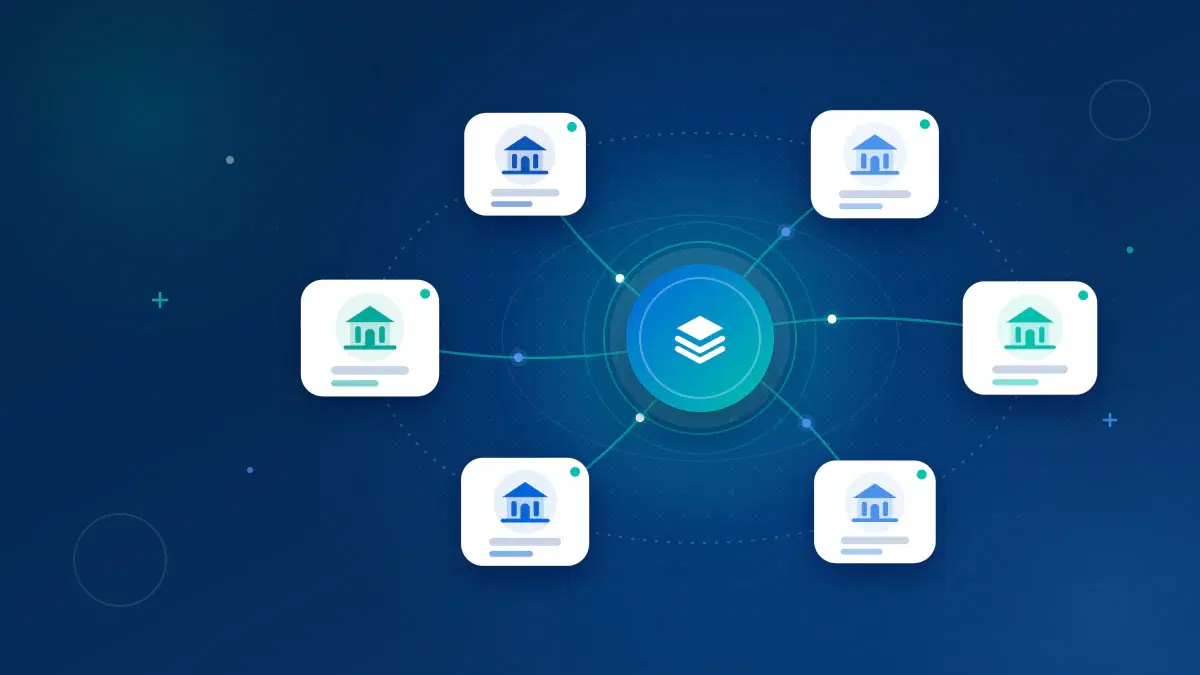
As an education group grows, from one school to several or from a single college to a university with multiple campuses, its operations tend to fragment. Each campus develops its own processes and tools. Reporting to the group office becomes a recurring exercise in collecting spreadsheets and reconciling definitions.
Group leadership then faces a difficult balance. Central oversight is needed for quality, finance and governance. Yet each campus has its own context, programmes and local requirements, and too much centralisation can slow it down.
The challenge of oversight at scale
Without a shared platform, simple group-level questions become hard to answer. How does admissions conversion compare across campuses? Where are fee collections lagging? Which campus has the most students with low attendance? When each campus defines and records these differently, comparisons are unreliable, and decisions rest on numbers that do not quite match. It also becomes harder to share good practice, because no one can see clearly which campus is doing something well.
Standardise what should be shared
The first step is deciding what must be common across the group. This typically includes:
- Core data definitions, so that attendance, enrolment and collections mean the same thing everywhere
- Approval policies for sensitive actions such as concessions, refunds and marks changes
- Role definitions and access rules, applied consistently across campuses
- Brand standards for communication with students and parents
- Key performance indicators reported to group leadership
Allow local flexibility where it matters
Standardisation should not mean uniformity. Campuses may offer different programmes, follow different academic calendars, set campus-specific fee structures and run their own timetables. A good multi-campus platform lets the group set the rules that must be shared while allowing each campus to configure what is genuinely local.
Access control is central to this. A campus principal should see their own campus in full detail. A group director may need a comparative view across all campuses. A regional finance lead may need collections data for a defined set of campuses only.
Central oversight works best when every campus is measured the same way and managed in its own context.
Separate institutions, shared visibility
Some groups operate several institutions or brands under one umbrella, each with its own identity. Here, keeping each institution's data separate matters as much as consolidated reporting. Tenant-level isolation keeps records apart, while authorised group leaders retain the cross-campus view they need. Students and parents should see their own institution's name and identity in portals and communications, even when the group runs on a shared platform.
How mycampace supports education groups
mycampace is multi-tenant by design, with campus hierarchies, white-label branding, configuration by institution and campus, and role-based access that can be scoped by campus. Leadership dashboards bring cross-campus KPIs together, and timetables can be coordinated across locations, so the group office and each campus work from the same records.