A phased roadmap for digital transformation in schools, colleges and universities
Replacing every system at once is risky. A phased approach helps institutions build a reliable data foundation, show value early and bring staff along.

Digital transformation in education is often presented as a single leap: choose a platform, migrate everything and switch over. In practice, institutions that try to replace every process at once can find staff overwhelmed, data migration rushed and confidence lost before the benefits arrive.
A phased roadmap is more realistic. It builds a reliable foundation first, delivers visible improvements early and expands as people and processes are ready. The phases below are a general guide; the right sequence for each institution depends on its size, priorities and existing systems.
Phase 1: Establish the foundation
Everything else depends on accurate core data. This phase focuses on the institution's structure, including campuses, departments, programmes and academic terms, along with clean student and staff records and clearly defined roles and permissions. It is also the time to agree on data ownership: who is responsible for keeping each type of record accurate.
It can be tempting to rush this work in favour of more visible features. Taking the time to get it right pays off in every later phase.
Phase 2: Digitise high-volume daily operations
Next come the processes that touch the most people every day and create the most manual effort. For many institutions, these include:
- Admissions, from enquiry and application to onboarding
- Attendance capture and policy rules
- Timetables and room allocation
- Fee structures, billing and collections
- Notifications to students, parents and staff
Improvements here are felt directly by staff and families, which helps build support for the changes that follow. Training, clear points of contact and a way to report issues matter as much as the software itself.
Phase 3: Connect academics and campus operations
With the foundation and daily operations in place, institutions can extend to examinations and report cards, learning management, HR, library, hostel, transport and inventory. Because these build on the same student and staff records, each new area adds value without creating another silo. Each extension should follow the same pattern as earlier phases: clean data first, a clear owner, and training for the people who will use it.
Phase 4: Add intelligence
Analytics and AI are most useful once there is reliable data to work with. Dashboards, predictive risk signals and natural-language queries help leaders and staff spot trends and act earlier. Introducing them after the data foundation is in place means the insights rest on records people already trust. It is also the right point to agree how AI will be governed, including who can use it and for what purposes.
Transformation is less about the technology you switch on and more about the habits you change, one phase at a time.
Where mycampace fits in the journey
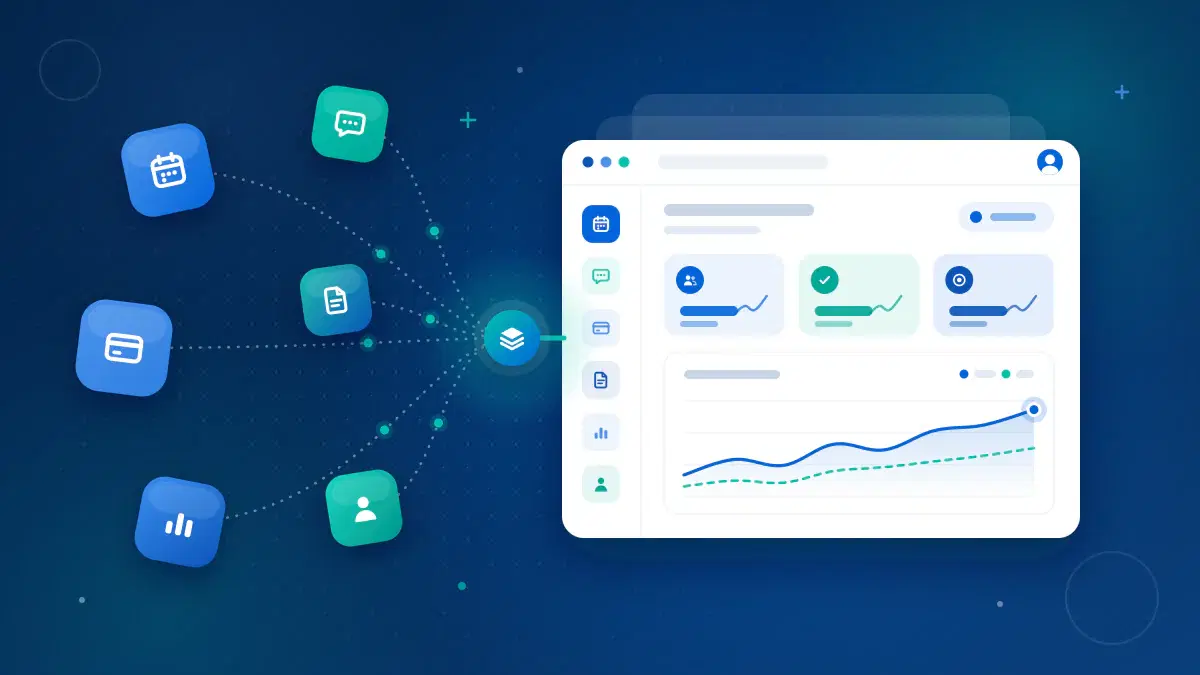
mycampace is modular, so institutions can begin with core records and priority operations and add academic, administrative and intelligence modules as they progress, all on the same platform. Each phase builds on the data, roles and permissions already in place, rather than adding another system to integrate.