Protecting student data: a practical checklist for institutions
Institutions hold sensitive data on students, parents and staff. A practical checklist on access, audit trails, documents, vendors and data protection law.
Schools, colleges and universities hold some of the most sensitive personal data of any organisation: dates of birth, addresses, family details, health notes, academic records, identity documents and financial information. Much of it relates to children and young people, and much of it is retained for years.
Protecting this data is not only a technical task for the IT team. It depends on everyday decisions about who can access what, how documents are shared and how vendors are chosen. The checklist below is a practical starting point for institution leaders and administrators.
Know what you hold and why
You cannot protect data you have not identified. Start by listing the categories of personal data your institution collects, where each is stored, who uses it and why it is needed. Data that serves no clear purpose is a liability rather than an asset, and should be reviewed for deletion in line with your retention policy.
Control access by role
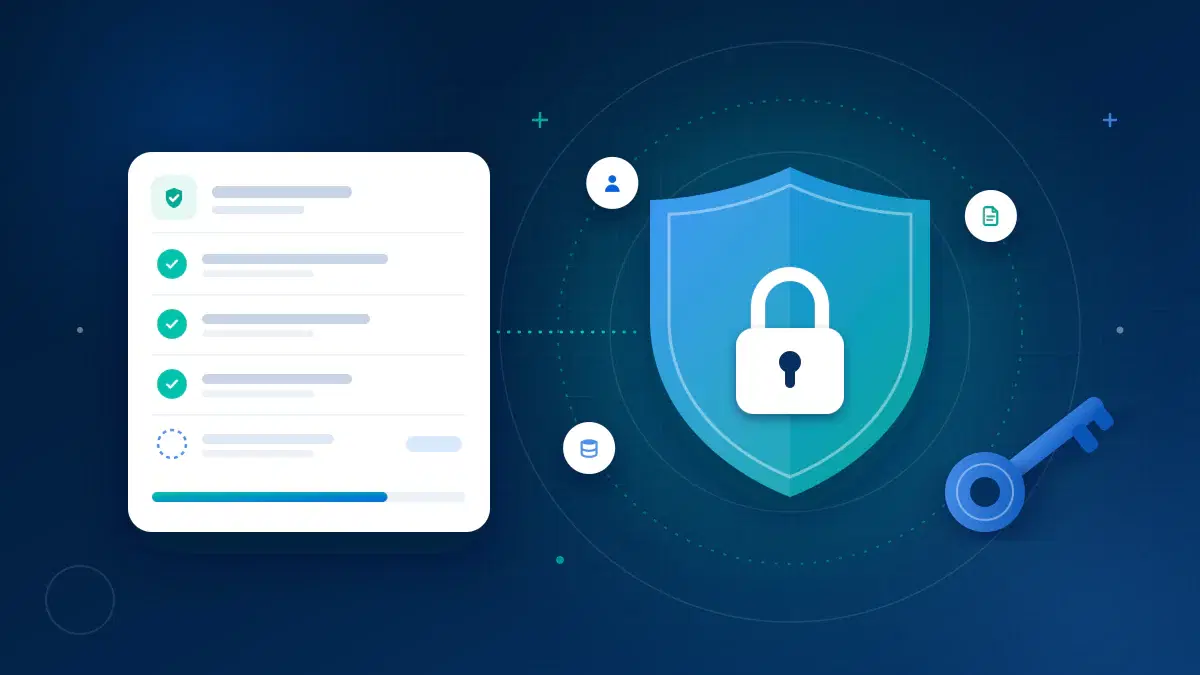
Access should follow the principle of least privilege: each person sees only what their role requires. Use this as a working checklist:
- Define roles such as faculty, class teacher, accounts, admissions and leadership, and assign permissions to roles rather than individuals
- Restrict access by campus and department where relevant
- Remove access promptly when staff change roles or leave
- Avoid shared logins, so that every action can be traced to a person
- Use single sign-on where possible, so access is managed from one place
- Review permissions periodically, especially for sensitive records
Keep an audit trail
When a mark is changed, a fee waived or a record exported, you should be able to say who did it, when and in what context. Audit logs deter misuse, support investigations and help resolve disputes. Check that your systems log sensitive academic and financial actions, and that logs are retained and protected from alteration.
Handle documents and vendors with care
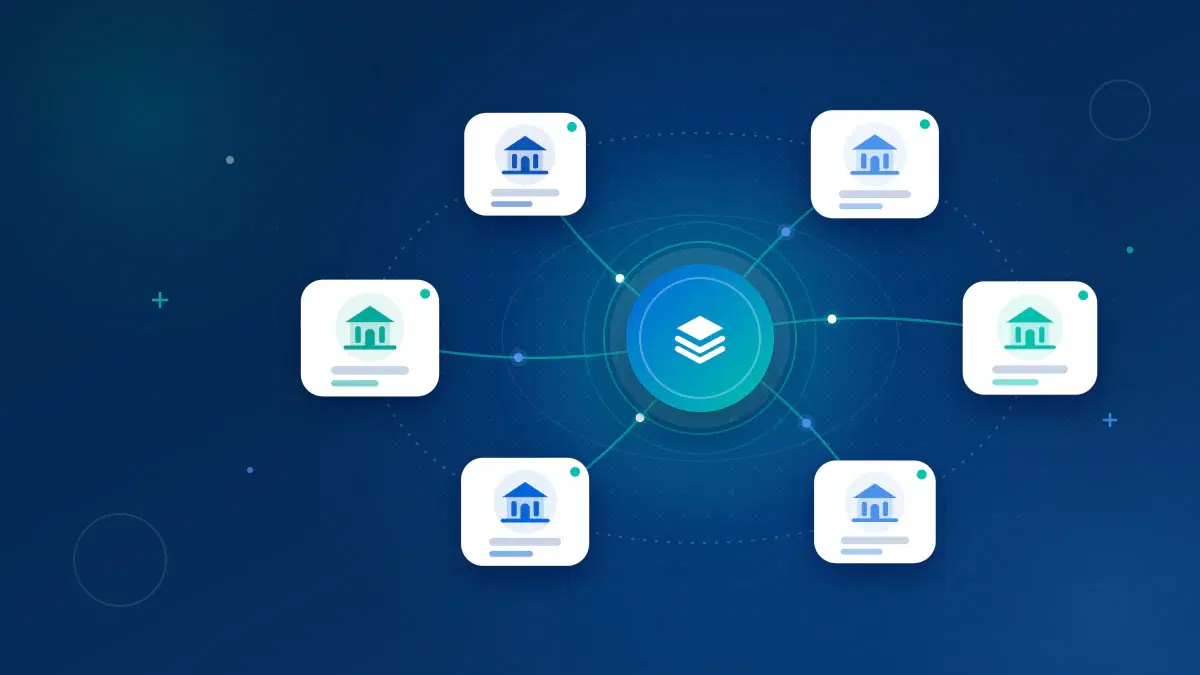
Identity documents, certificates and medical notes are often shared over email or messaging apps for convenience. Storing them in an access-controlled document system reduces the number of uncontrolled copies in circulation. When choosing technology vendors, ask how data is separated between institutions, how access is controlled and logged, and how data can be exported or deleted if you leave.
Data protection laws such as India's Digital Personal Data Protection Act, 2023 set out obligations for organisations that process personal data. How these apply to your institution depends on your circumstances, so take legal advice on your specific obligations and review your policies as rules and guidance evolve.
How mycampace supports good practice
mycampace provides role-based access control scoped by role and campus, SSO-ready identity, tenant-aware isolation between institutions, versioned and access-controlled document management, and audit logging of sensitive academic and financial actions. These controls support an institution's data protection practices; policies, staff training and legal compliance remain the institution's responsibility.